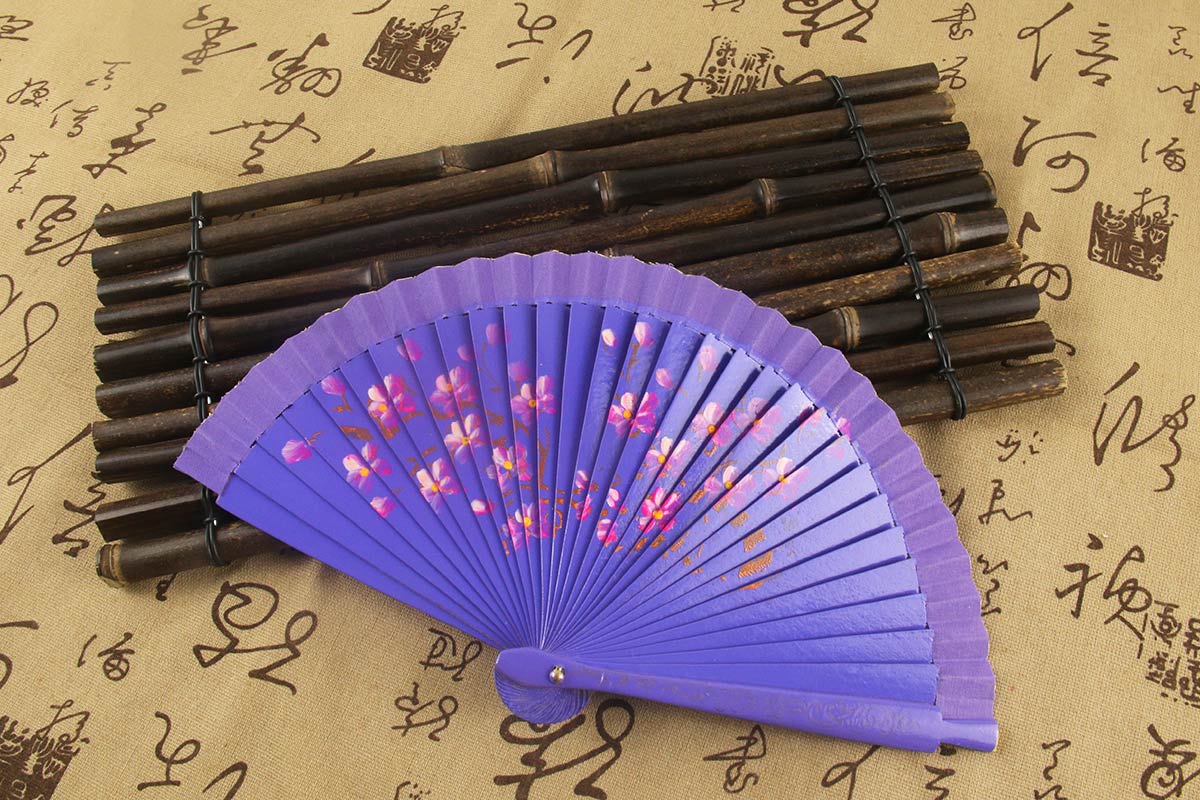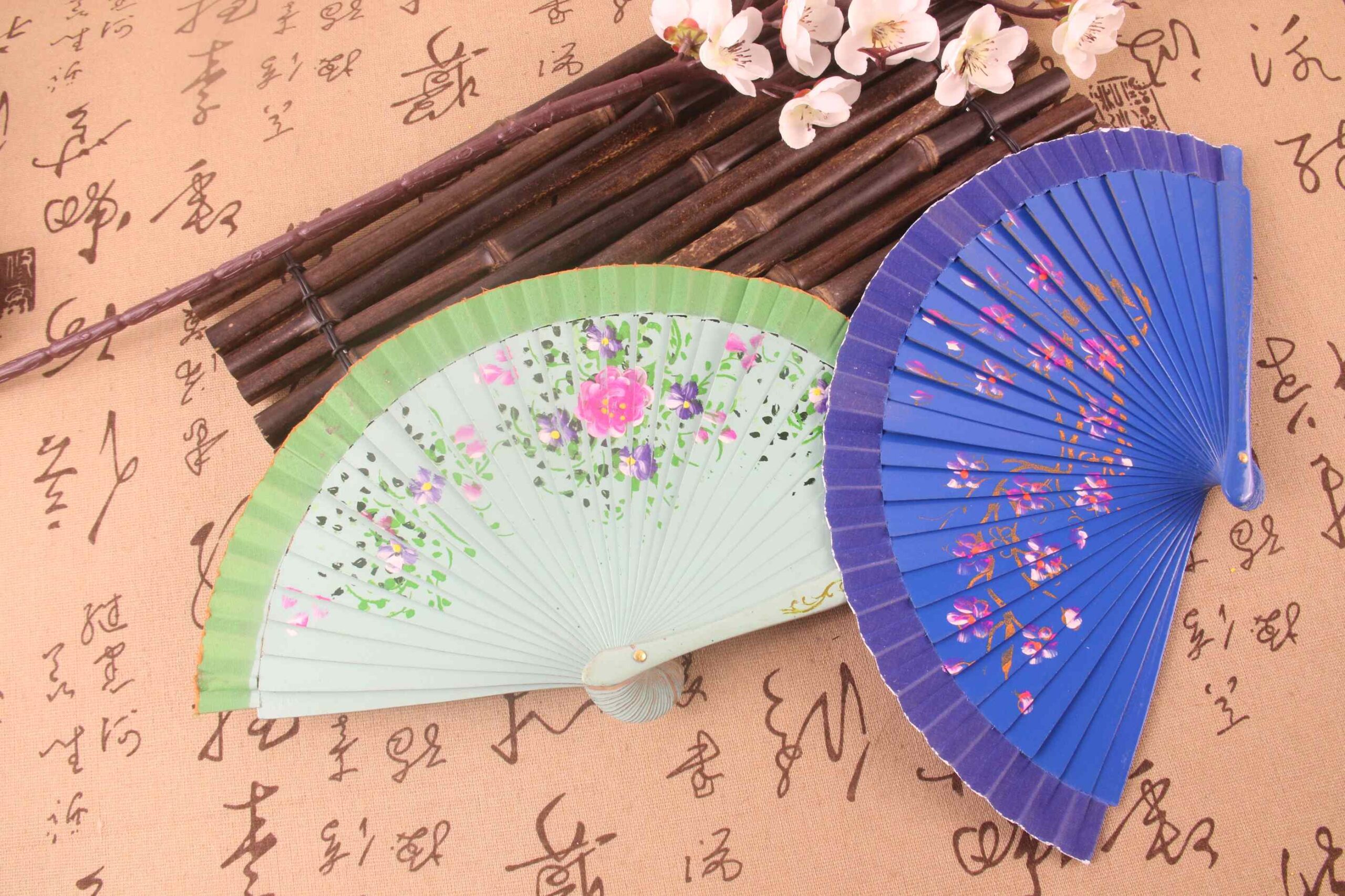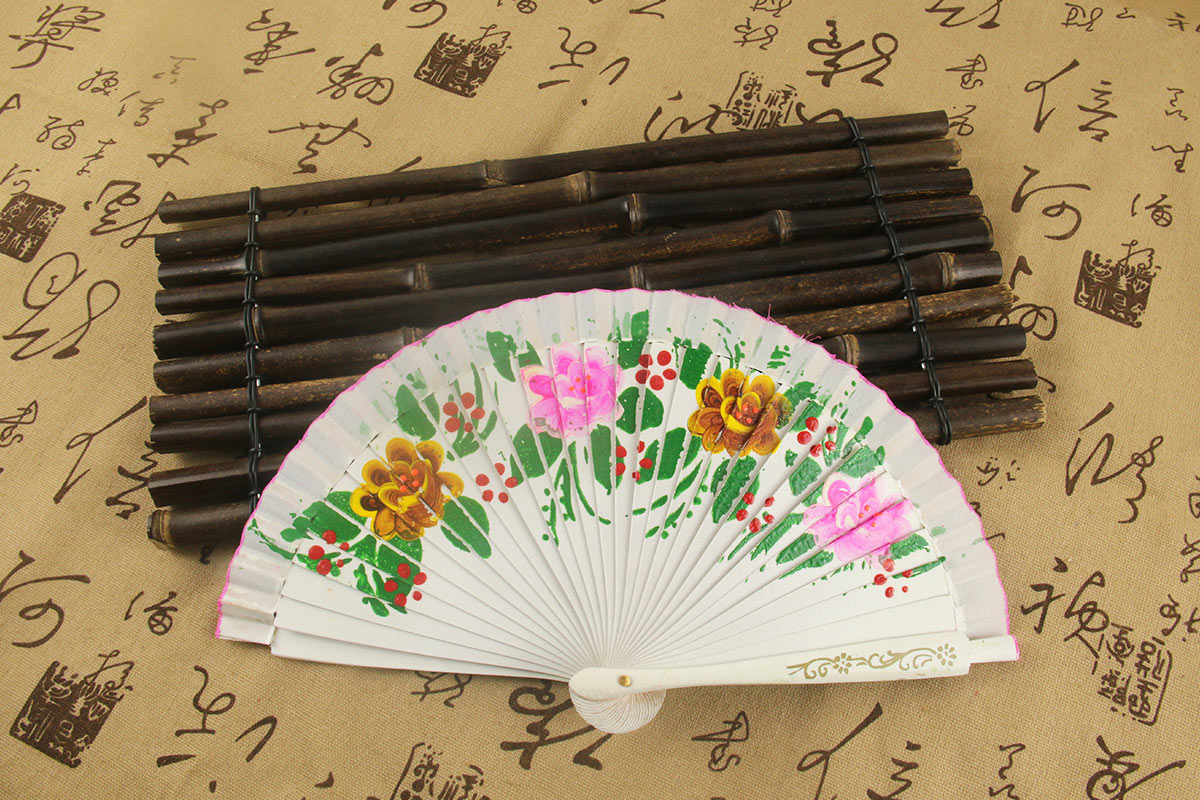

Dance hand fans are essential props in many cultural performances and modern dance routines. The type of dance hand fans chosen can greatly influence the style, fluidity, and visual appeal of a performance. Understanding the variety of fans available helps dancers select props that suit choreography, stage space, and performance style.
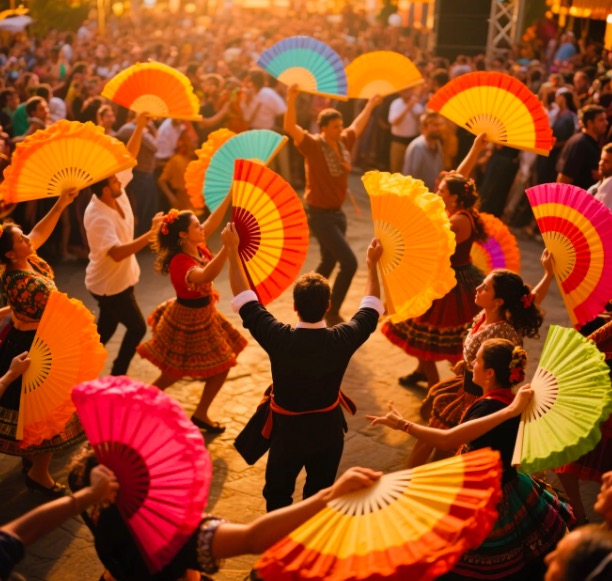
1. Traditional Dance Hand Fans
Cultural heritage and artistry are exhibited by fans of traditional dances, which are commonly used in classical, folk, and ceremonial dances.
- Chinese Silk Fans
The fans used in Chinese culture are made of light silk material that is attached to ribbed bamboo. This silk material helps the fans to move with ease, allowing imitations of nature, for example, waves, flowers, and clouds. Additionally, the fans can also have hand-painted designs of dragons, flowers, and landscapes. Such fans are usually used in the classical dances of the Chinese.
- Japanese Folding Fans
Japanese folding fans, sensu, are intended to open and close in an organized manner. They typically are made of paper, silk, or thin material glued to bamboo ribs. They are well-suited for use in the Japanese art of Nihon Buyō, or for use in the Japanese theater Kabuki, where actors use particular opening and closing sequences of the fans to produce graphic designs. They are often adorned with paintings or prints of natural scenes.
- Spanish Flamenco Fans
Flamenco fans are comparatively sturdy and large when compared with East Asian folding fans. They are usually made of wood, plastic, or a combination of these. They also have colorful designs, lace, and patterns. Flamenco dancers use various movements that entail the production of sound by the flicking and twisting of the fans. In the process, they add drama and rhythm. When the movement of the fans is well coordinated, there is an enhancement of aesthetic expressiveness.
2. Modern Dance Hand Fans
Modern dance hand fans used today are fashioned for optimum visibility, versatility, and adaptability.
- Feather Fans
Feather fans consist of natural or artificial feathers that are styled in a manner that gives the impression of volume. They are used for burlesque, cabaret, or stage performances, where they add movement with every gesture. Lightness and the fluid manner in which feathers move can generate the impression of fire, water, or other natural scenes, which is gained when they are turned, spun, or extended.
- Synthetic Material Fans
Nylon, polyester, and other synthetic material fans are light, durable, and easy to handle. This type of fan is ideal for use where fast opening and closure of the fan are needed. There are also synthetic fans that are printed, reflective, or have glitter for aesthetic purposes.
- Ribbon Fans
Ribbon fans consist of fragile ribs along which longer fabric ribbons are attached. Ribbon fans allow the dancer to create colorful streaks that enhance the range of movement. Ribbon fans are mostly used in choreographed performances that entail dynamic and expressive movement.
- Specialty Stage Fans
Specialized stage fans are used for multimedia presentations. They can also be oversized, tiered, or incorporate other effects, including smoke, water, or sound. Such stage fans are used for theater productions, events, or performance art, adding drama and storytelling
3. Sizes of Dance Hand Fans
Understanding the size of dance hand fans is important for both performance comfort and visual effect. Choosing the right size ensures dancers can handle the fan easily while creating graceful, dramatic, or intricate movements depending on the choreography.
| Fan Type | Typical Size | Notes / Usage |
| Chinese Silk Fans | 25–40 cm | Suitable for elegant, sweeping arm movements in classical performances. |
| Japanese Folding Fans (Sensu) | 20–30 cm | Ideal for precise hand gestures and close-up dances. |
| Spanish Flamenco Fans | 35–45 cm | Emphasizes expressive flicks, snaps, and twirls on stage. |
| Feather Fans | 40–60 cm | Creates flowing gestures and dramatic stage presence. |
| Synthetic Material Fans | 30–40 cm | Lightweight, suitable for vigorous and energetic choreography. |
| Ribbon Fans | 30–50 cm | Ribbons extend beyond the fan to create colorful visual trails. |
| Specialty Stage Fans | 50 cm or more | Oversized fans for large-scale visual and multimedia effects. |
4. Selecting Appropriate Dance Hand Fans
- Performance Modality: Traditional dances will use silk, folding fans, or cultural fans, but modern dances will use feather fans or specialty fans.
- Stage and Spatial Considerations: Larger stages require larger fans, and smaller formations require smaller fans.
- Skill Level: Novice performers can use smaller fans, while skillful performers can use larger fans.
- Fabric & Texture: The fabric used in a dance fan greatly shapes its overall impression—cotton gives a gentle, natural tone, while silk brings a refined and elegant touch.
5. Conclusion
Choosing the right dance hand fans enhances performance quality, movement fluidity, and visual impact. With suitable fan types and sizes, dancers can balance technique and expression to create captivating routines.Craftshistory continues this spirit of artistry by offering well-crafted, carefully inspected hand-painted fans. For more details or purchase inquiries, please contact us directly.