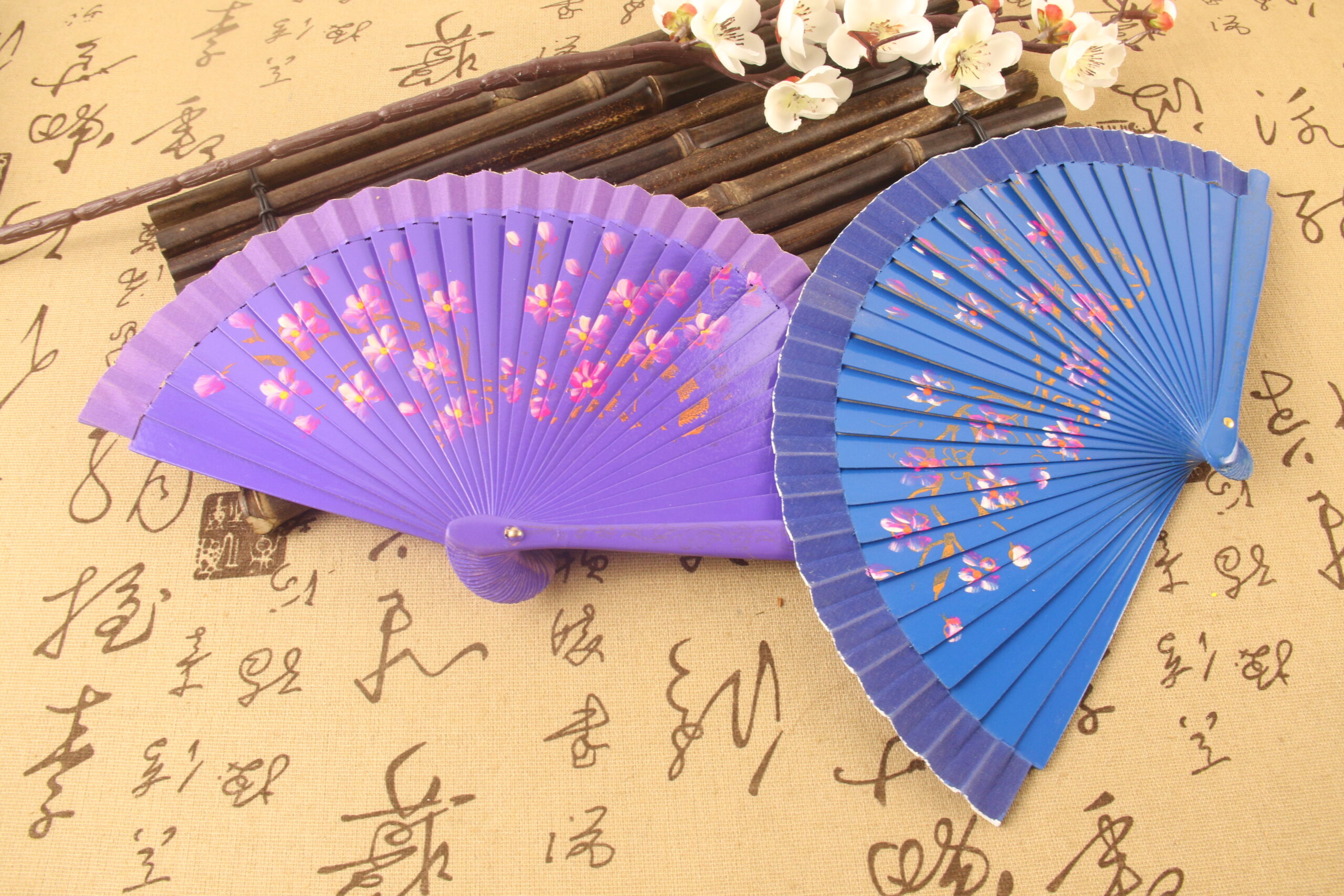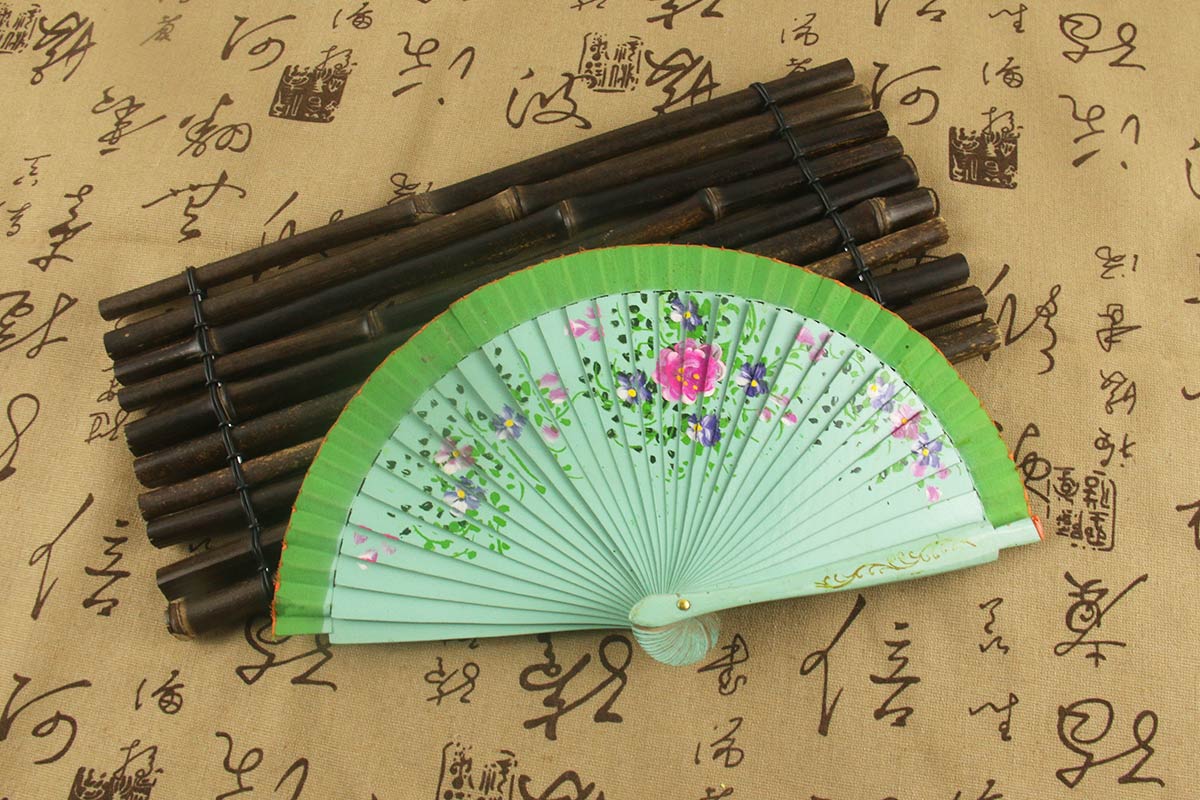

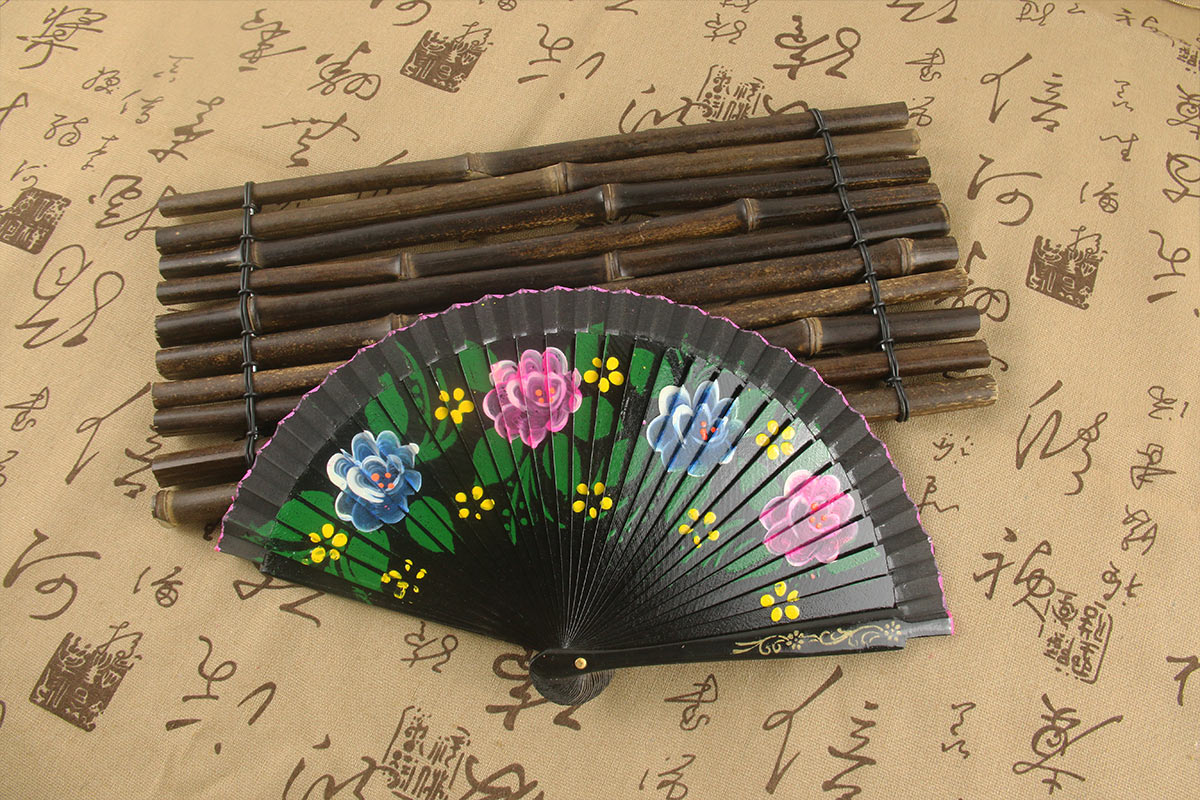
Among all traditional crafts that have managed to endure over time, the wooden Spanish fan stands out as a singular cultural icon. Firstly designed as a practical tool to manage hot climates, it gradationally evolved into an object that represents artifice, social form, and cultural expression in Spain.
While initially used for functional purposes, over time it came to be used as a symbol of elegance and culture. By examining the origins of this object of culture, not only do we come to appreciate this object, but also the culture that goes with it.
The Origin of the Wooden Spanish Fan
From a global perspective, the earliest forms of hand fans can be traced back to ancient civilizations in East Asia, particularly China and Japan, where folding fans were already highly developed. However, the wooden Spanish fan as a distinct European form emerged much later, closely linked to Spain in the 15th and 16th centuries.
With the rise of trade, specifically the Silk Road, and the advent of sea trade, the folding fan gradually made its way into Europe as a unique and elegant piece of fashion and beauty. Spain, being a major player in international trade because of its major seaports, was the first country to adopt the folding fan, and the country’s craftsmen, seeing the beauty and elegance of the imported fan, gradually designed the wooden folding fan, which is now known as the wooden Spanish fan.
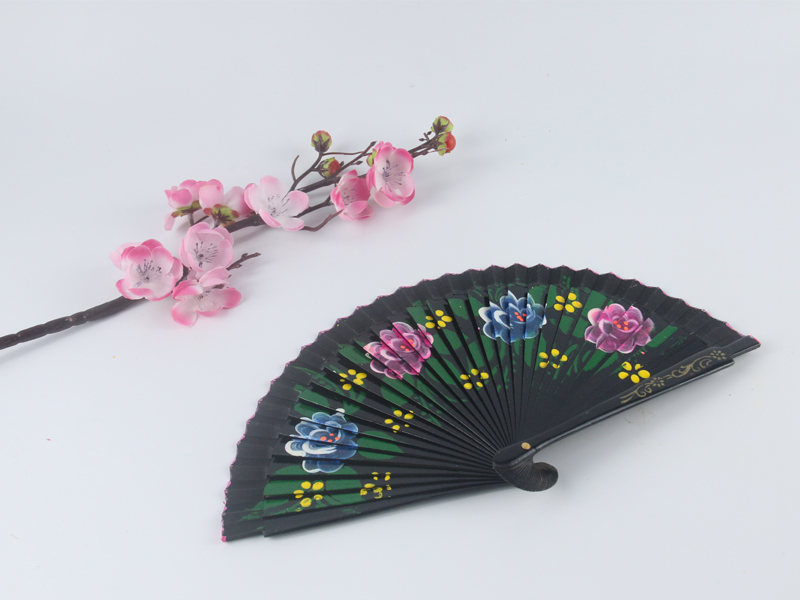
Why Wood Became Essential in Spanish Fan Making
Wood has been an important factor in Spanish craftsmanship, which defines the wooden Spanish fan as an artifact of Spanish heritage. When compared to other materials, the wooden Spanish fan was the best option.
Spanish craftsmen initially opted to use wood for the Spanish fan for several important reasons:
- Ease of access: Local wood resources were readily available, allowing consistent production over long periods.
- Lightweight yet durable: Wood provided sufficient strength for frequent opening and closing while remaining comfortable for daily use.
- Ideal for carving: Fine wood textures made it possible to create intricate decorative patterns on fan ribs.
The common woods that were preferred for the production of wooden Spanish fans include pear wood, olive wood, and beech wood. These types of wood provide natural grain, smooth texture, and long-lasting stability, making them suitable for the production of high-quality fans.
Cultural and Social Significance of the Wooden Spanish Fan
During the 1600s and 1700s, the wooden Spanish fan had gained a broader social and cultural significance in Spain, particularly among upper-class women. In official gatherings, the fans had become a subtle yet powerful means of communication. Women employed the fans to express their emotions and intentions while maintaining grace and discretion, for example:
- Using different opening and closing speeds to signal attitudes or reactions.
- Holding the fan at varying heights to indicate emotional states.
- Employing the fan as a way to observe social etiquette while concealing facial expressions.
The various movements that fans allowed women to make came to be known as the “language of the fan.” However, at the same time, wooden Spanish fans became a part of cultural events, particularly dance, religious, and flamenco, thus associating themselves with Spanish culture.
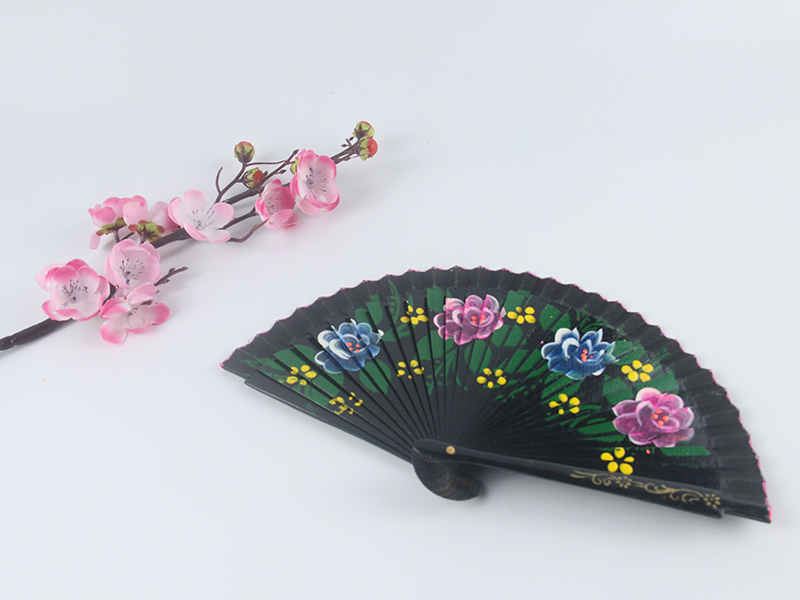
From Traditional Craftsmanship to Modern Design
As modernization progressed, the craft of making these wooden Spanish fans came to rely on machines as a way of improving efficiency and meeting the demands for these items. However, the essence of the craft remained unchanged.
Currently, many Spanish artisans continue to create these fans while employing the traditional techniques. They carefully select the wood and maintain a proper proportion. The wooden Spanish fan has come a long way. Its uses in modern times are many. They include:
- As a fashion accessory with cultural depth and aesthetic appeal.
- As a decorative element in home interiors and artistic displays.
- As a culturally meaningful gift that reflects Spanish heritage.
Thanks to its sustainable material and timeless design, the wooden Spanish fan has experienced renewed appreciation in contemporary markets.
Conclusion
In conclusion, the wooden Spanish fan originated from the interactions between East and West. This cultural artifact has come a long way. Its evolution into a unique piece can be attributed to Spanish craftsmanship. This fan meets the needs of many people. Its history is a testament to the social behaviors and cultural continuities of the past.
At Craftshistory, we are dedicated to exploring the historical roots and cultural significance behind traditional crafts like the wooden Spanish fan. By sharing these stories, we aim to connect timeless craftsmanship with modern appreciation. If you would like to learn more about wooden Spanish fans, their craftsmanship, or potential collaborations, please feel free to contact us and continue this journey into traditional heritage with us.