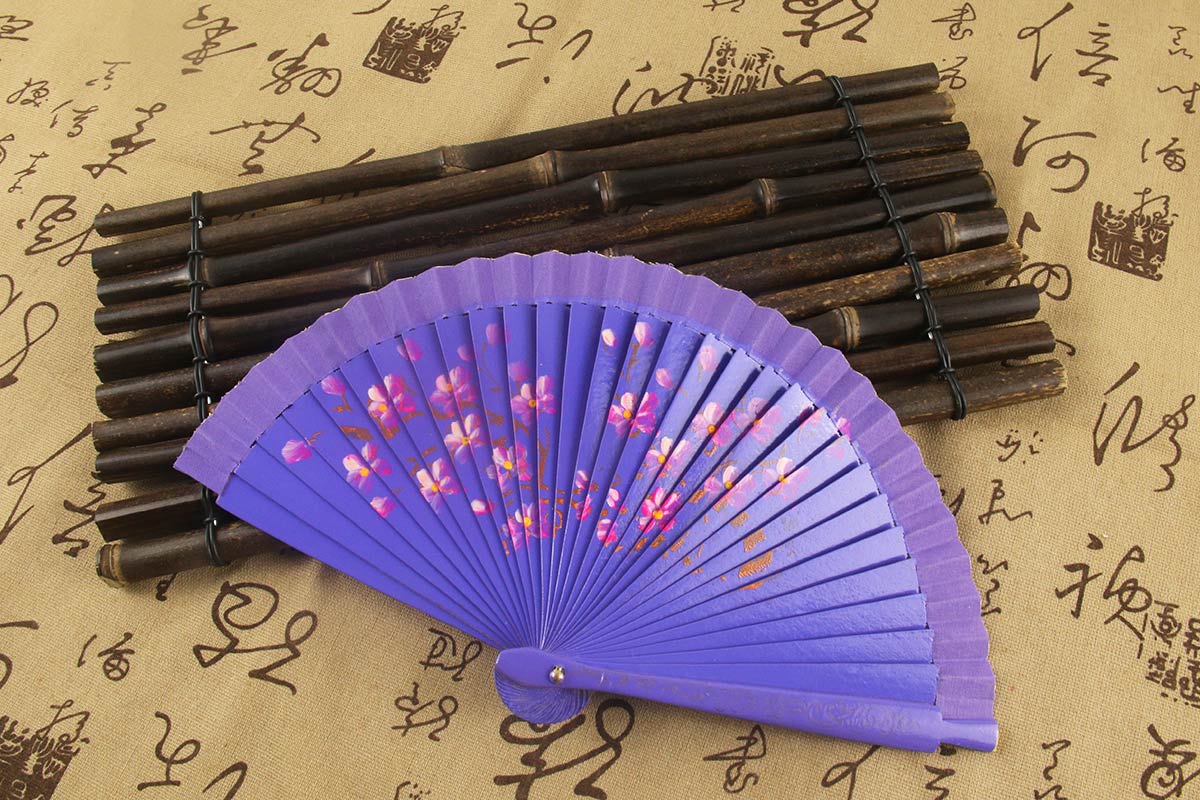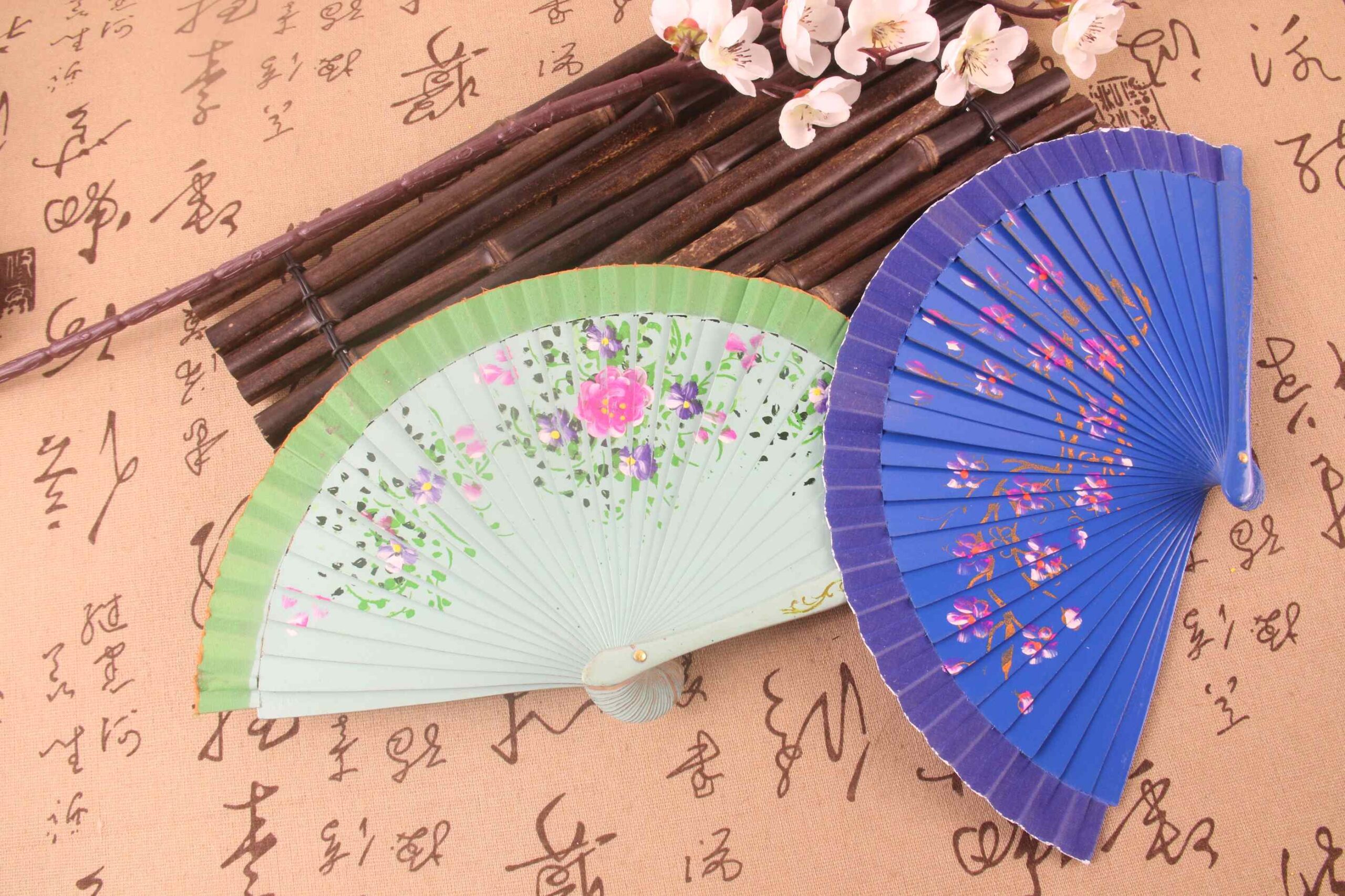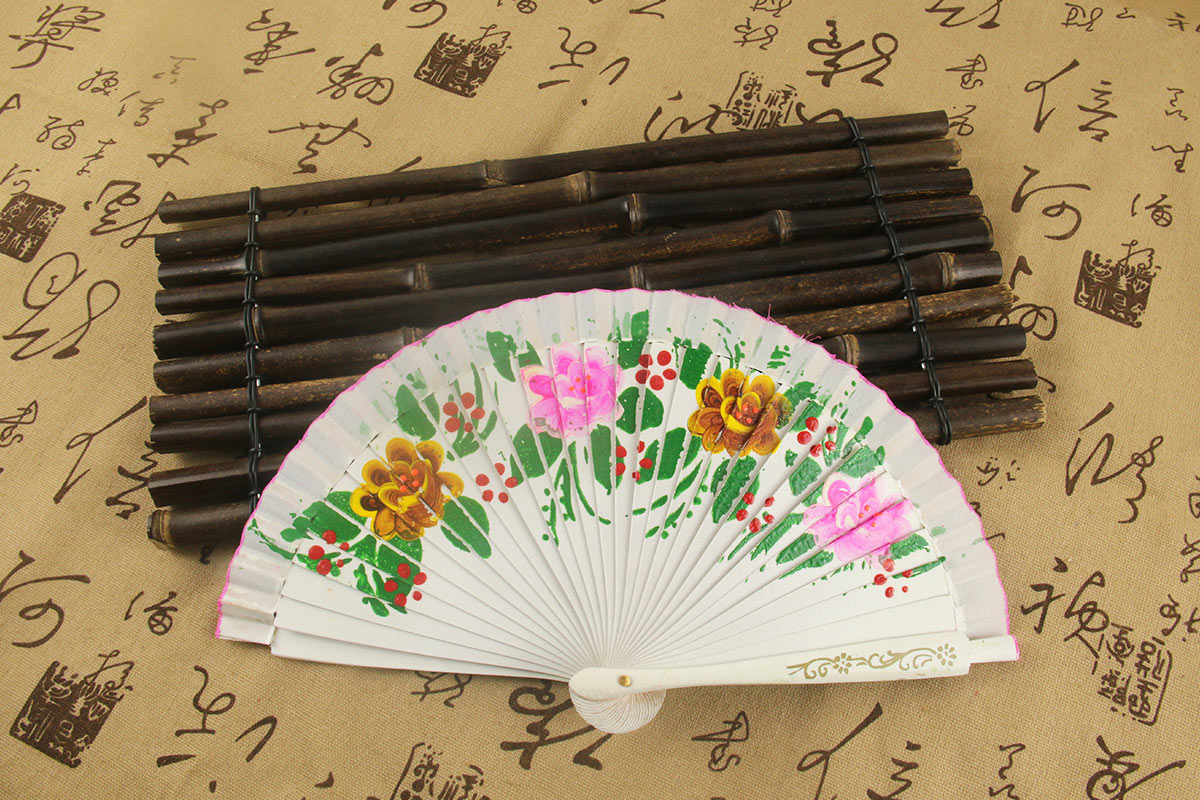

Throughout history, ladies hand fans have been more than simple accessories. They have represented elegance, practicality, and cultural identity across many civilizations. In their earliest forms, fans were tools for cooling or warding off insects, but as societies evolved, they became rich with symbolic meanings. By the 16th and 17th centuries, ladies hand fans were widely used in Europe and Asia, not only as functional items but also as instruments of fashion, communication, and artistry. Today, their legacy continues, blending traditional craftsmanship with modern aesthetics.
I. Origins of Ladies Hand Fans
- Early Functional Purposes
Archaeological evidence suggests that hand fans date back more than 3,000 years. Ancient Egyptians, for example, used large feathered fans to signify status and to cool royal households. Over time, as societies grew more sophisticated, ladies hand fans became smaller, portable, and intricately designed. They were no longer purely functional but symbols of refinement.
- Cultural Spread Across Continents
From Egypt, fans spread to Greece, Rome, and eventually Asia, where they gained deep cultural meaning. By the Middle Ages, ladies hand fans became closely linked with aristocracy in Europe, with imported models from China and Japan treasured among the wealthy.
II. Artistic Legacy of Ladies Hand Fans
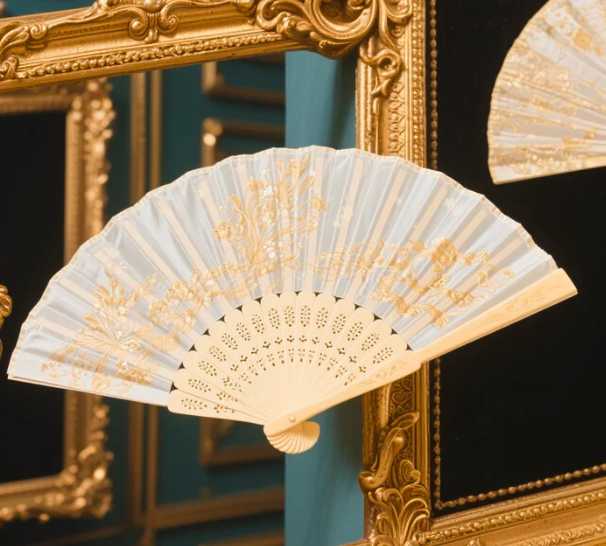
(1)European Luxury Silk Fans
- Fashion and Aristocracy
In Europe during the 17th and 18th centuries, ladies hand fans crafted from silk and lace became luxury symbols. These fans were often decorated with gold embroidery, gemstones, and even ivory handles. Court ladies carried them as indicators of status. Historical records suggest that in France around 1720, owning multiple silk fans was a sign of wealth, with some fans valued at the price of a small carriage.
- Artistic Expression
European luxury silk fans were not just accessories but canvases. Painters decorated them with mythological scenes, landscapes, or portraits. Each fold of silk could contain intricate brushwork that mirrored the fashion trends of the era, turning a fan into both jewelry and artwork.
(2)Spanish Dance Fans
- Flamenco and Identity
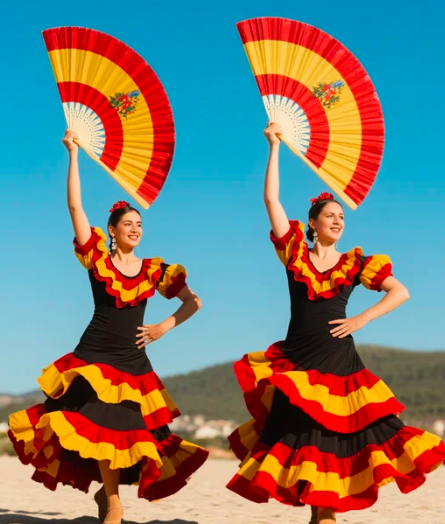
Spain contributed one of the most recognizable styles of ladies hand fans: the dance fan. By the 19th century, the abanico, or folding fan, became an essential part of flamenco performances. Its wide, dramatic spread allowed dancers to punctuate their movements with elegance and emotion.
- Symbolic Communication
Beyond performance, Spanish women in the 18th and 19th centuries developed a “fan language,” where gestures conveyed hidden messages in social interactions. For example, holding the fan to the heart suggested affection, while opening it slowly indicated interest. This subtle communication tool gave fans a secret role in Spanish society.
(3)Japanese Edo Cherry Blossom Fans
- Symbolism and Rituals
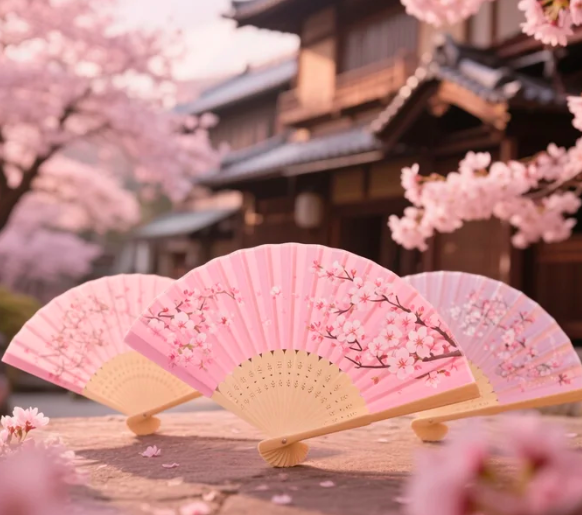
In Japan’s Edo period (1603–1868), ladies hand fans held strong ties to cultural rituals. Fans painted with cherry blossoms symbolized beauty, renewal, and femininity. The cherry blossom, or sakura, represented the fleeting nature of life, aligning with the philosophical ideals of Edo society.
(4)Chinese Craftshistory Hand-Painted Begonia Fan
- Artistic Features and Brand Origin
The Craftshistory Hand-Painted Begonia Fan is a modern artistic fan from a Chinese brand. The fan surface features a rich rose-red background adorned with deep magenta begonia flowers, with each petal layered naturally and the flower centers highlighted with delicate gold details. Artistic Features
- Dual-Sided Design and Practical Use
The fan is painted on both sides, combining visual artistry with functional durability. Dual-sided decoration not only increases aesthetic depth but also makes the fan more versatile for daily use. Unlike purely ornamental fans of the past, the Craftshistory design balances practicality and beauty, showing how contemporary craftsmanship inherits and transforms traditional artistry.

III. Symbolism and Social Role of Ladies Hand Fans
Across Europe, Spain, and Asia, ladies hand fans often served as subtle instruments of communication. From secret languages in Spain to symbolic flowers in Japan, the fan was more than a cooling device—it was a way to convey identity, emotion, and social standing.
- Status and Identity
Historical data shows that during the Victorian era in England, over 80% of upper-class women owned at least one luxury fan. For them, carrying a fan was as much about social belonging as it was about fashion.
IV. Evolution into Modern Times
- Industrial Production
By the late 19th century, the industrial revolution made ladies hand fans more accessible. Factories in France, Spain, and China produced fans at scale, allowing middle-class women to adopt what was once a luxury item.
- Contemporary Craftsmanship
Today, fans like the Craftshistory Hand-Painted Begonia Fan represent a revival of artisanal techniques. Instead of mass production, emphasis is placed on hand-painted details, cultural themes, and elegant wooden structures. These modern interpretations keep the tradition alive while catering to collectors and enthusiasts worldwide.
V. Conclusion
The story of ladies hand fans is one of cultural exchange, artistry, and symbolism. From the silk luxury fans of European courts to the spirited Spanish dance fans, from Japanese Edo cherry blossom designs to the contemporary Craftshistory Begonia fan, each example reveals the enduring charm of this accessory. More than a functional tool, the fan reflects history, identity, and creativity across civilizations. Today, it continues to thrive as both a cultural symbol and a timeless piece of artistry.