
Introduction: The Cultural Mystery of Folding Fans
The folding fan is a refined and practical handcrafted accessory that has appeared in various cultures across both the East and the West. However, one common question among international consumers is: Did the folding fan originate in China or Japan? This debate arises because both countries have integrated folding fans into their cultural traditions, shaping their designs and uses over centuries. From historical origins to craftsmanship details, and even modern applications, folding fans embody a rich intersection of artistic expression and cultural identity.
The History and Styles of Chinese Folding Fans
Chinese folding fans have a long and fascinating history, dating back to the Southern and Northern Dynasties (420–589 AD) and evolving significantly during the Song Dynasty. Initially, fans were mostly rigid, circular designs, but the introduction of foldable fans made them more convenient for portability, ultimately becoming an essential accessory among scholars and aristocrats.
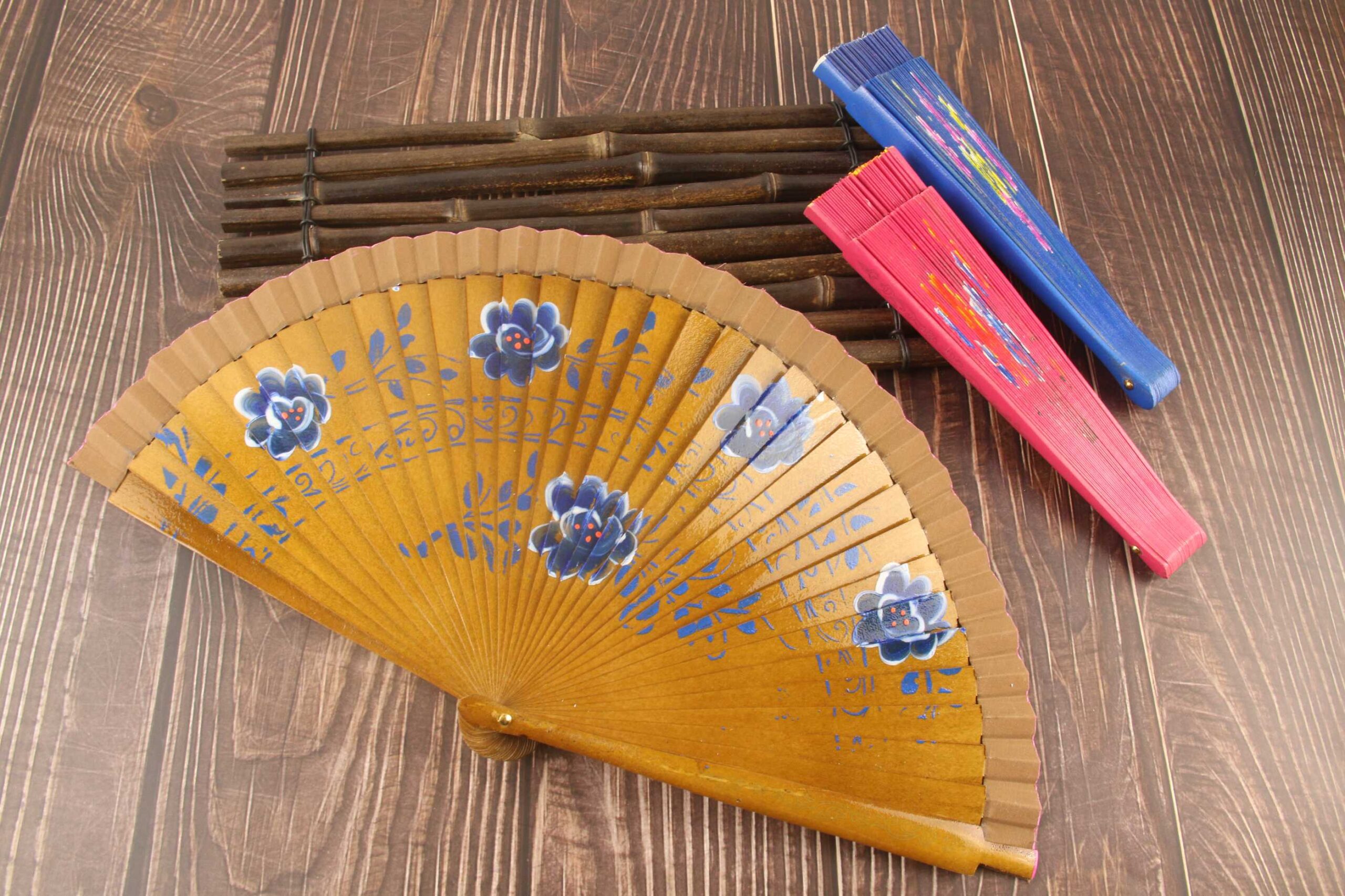
Chinese folding fans are known for their literary and artistic significance, often featuring calligraphy, painting, and poetry on surfaces made of paper, silk, bamboo, and wood. These fans serve not only as cooling tools but also as extensions of artistic refinement and intellectual pursuits.
In terms of craftsmanship, the production of Chinese folding fans involves intricate carving of the ribs, elaborate fan surface decoration, and sophisticated mounting techniques. The fan ribs are often engraved with detailed patterns and symbols, while the surfaces display delicate brushwork, transforming each fan into a unique work of art.
Chinese folding fans have been widely used in literary gatherings, artistic creation, summer cooling, and ceremonial displays. Scholars used them as status symbols, incorporating poetry and paintings onto the fan’s surface. Meanwhile, the nobility and court officials employed folding fans in official settings, further cementing their cultural importance.
The Introduction and Evolution of Japanese Folding Fans
The folding fan was introduced to Japan through envoys sent to China (遣唐使) during the Tang Dynasty, who brought back various artistic and technological influences. Over time, Japan developed its unique styles, integrating folding fans into ceremonial traditions and aesthetic principles.
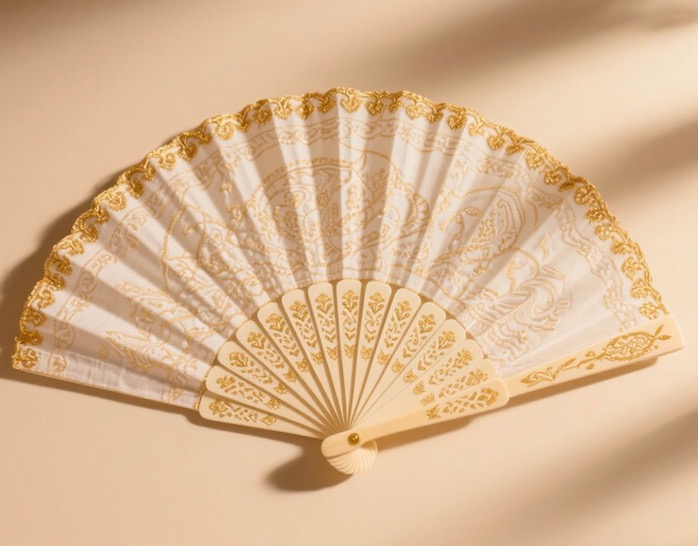
Japanese folding fans are distinct in their minimalist and structured design, emphasizing formal elegance and ritualistic beauty. Unlike Chinese fans, which showcase elaborate ink paintings and calligraphy, Japanese fans often feature gold leaf and washi paper, giving them a refined, understated charm.
Several types of Japanese folding fans exist, including:
- Maiōgi – Fans used in traditional dance performances.
- Chasen – Tea ceremony fans symbolize respect and etiquette.
- Goten-ōgi – Fans associated with imperial court traditions.
Japanese folding fans are typically used in traditional dances, tea ceremonies, formal rituals, and celebratory events. Whether in cultural performances or aristocratic settings, they continue to hold symbolic significance.
| Feature | Chinese Folding Fans | Japanese Folding Fans |
| Historical Origin | Southern and Northern Dynasties (420–589 AD), popularized in the Song Dynasty | Introduced from China during the Han dynasty via envoys |
| Materials | Paper, silk, bamboo, wood | Gold leaf, washi paper |
| Aesthetic Focus | Literati refinement, artistic expression | Ceremony, simplicity, and etiquette |
| Decoration Style | Ink paintings, calligraphy, and poetry | Minimalist patterns, gold embellishments |
| Usage Scenarios | Literary gatherings, artistic creation, cooling, ceremonial display | Traditional dances, tea ceremoniesformal rituals celebrations |
Are Folding Fans Still Used Today?
Despite changes in modern lifestyles, folding fans remain relevant, serving roles in fashion, gifting, performance arts, and interior decoration.
Fashion Accessories
Folding fans have reemerged as stylish additions to Hanfu, Kimono, and contemporary Asian-inspired outfits. They also provide aesthetic enhancement in photography and modeling.
Gifts and Collectibles
Folding fans have become popular gifts and collectible items, including:
- Wedding mementos – Used for ceremonies and anniversaries.
- Corporate custom designs – Specially branded fans for businesses.
- Tourism souvenirs – Featuring cultural motifs for travelers.
- Luxury collectibles – Handcrafted fans sought by art enthusiasts.
Performance and Stage Uses
Folding fans remain integral to traditional dances, Chinese opera, and artistic exhibitions. They serve as important props in cultural celebrations, theatrical performances, and festive displays.
Interior Decoration
Beyond practical use, folding fans are embraced as home décor, with styles such as wall-mounted fans, fan paintings, and cultural artifacts that establish an Eastern artistic ambiance in living spaces.
From East to West: The Cultural Fusion of Spanish Hand Fans
Beyond China and Japan, the influence of folding fans has extended to the West, particularly in Spanish fan-making traditions.
Spanish Hand Fan Aesthetics
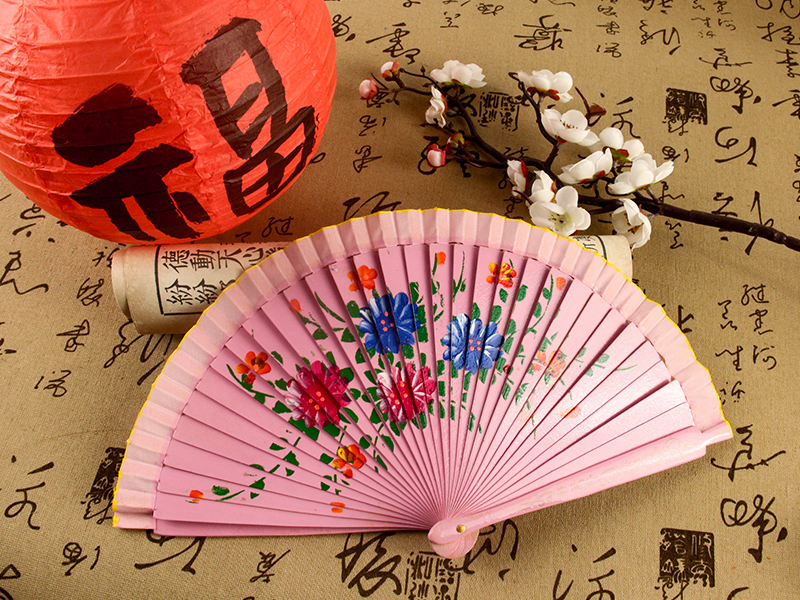
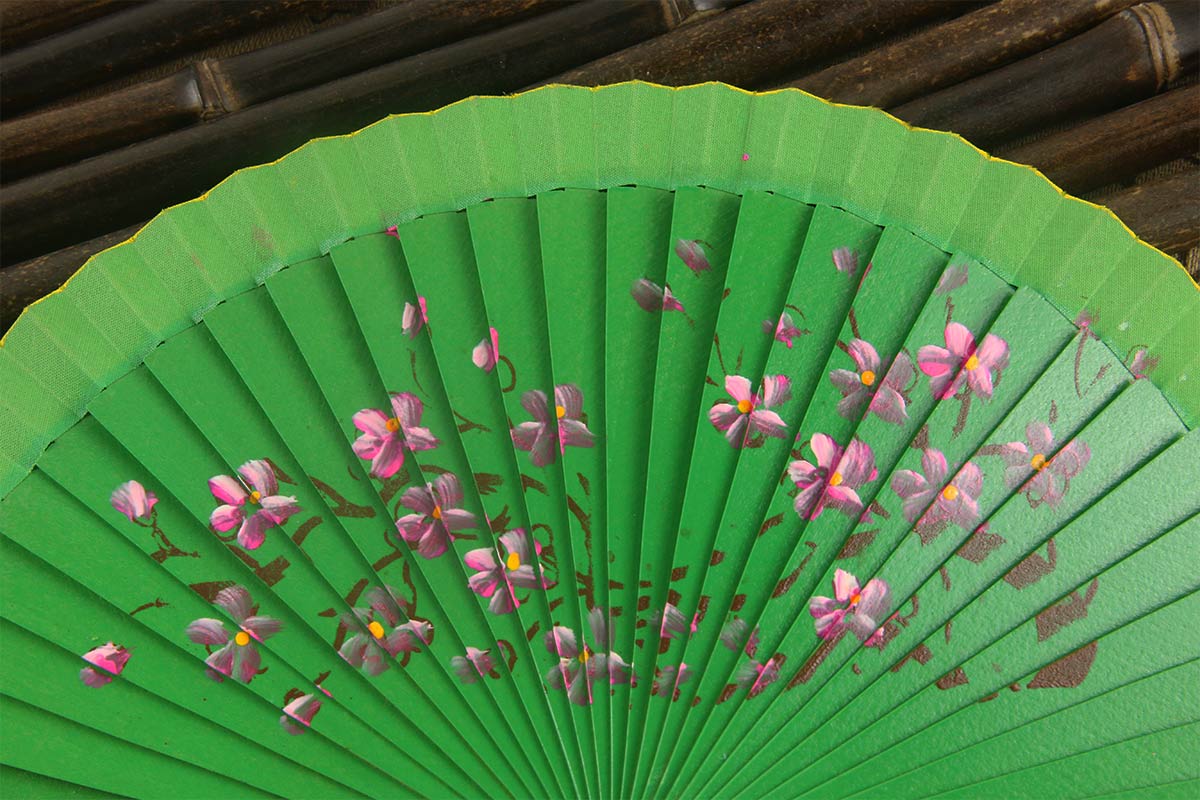
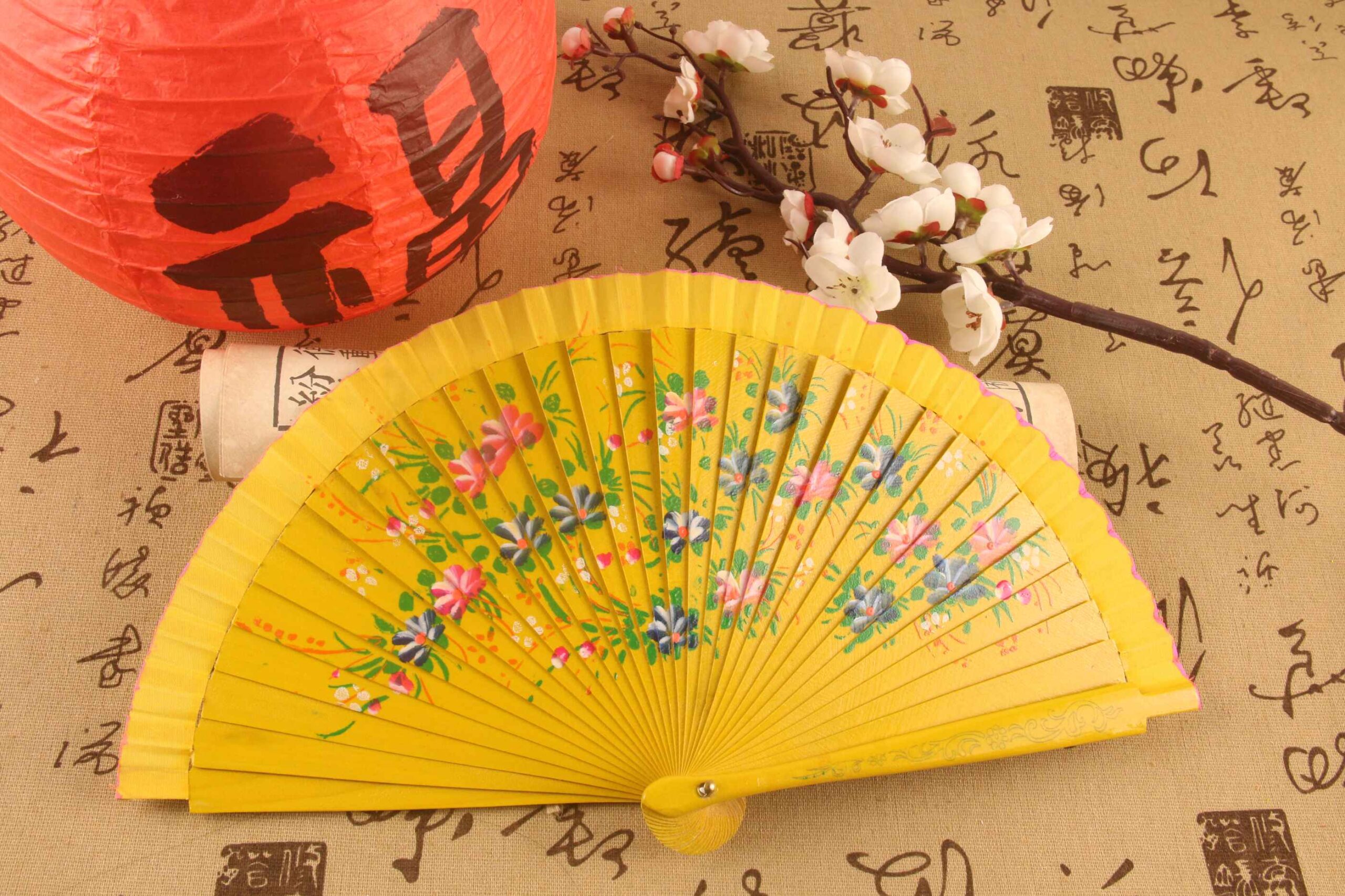
Spanish fans exhibit bold and passionate color schemes, primarily using red, yellow, and blue. Their decorative motifs frequently feature floral patterns, reflecting emotional expression and artistic flair.
Crafting Process
The creation of Spanish hand fans involves meticulous steps, including:
- Pigment preparation
- Sketching the design
- Layered painting
- Natural drying
- Final lacquer coating
Each Spanish fan is hand-painted, ensuring its uniqueness and artistic value.
Blending Eastern and Western Styles
Spanish fans retain traditional folding mechanisms from Eastern designs, while their artistic decorations draw from Mediterranean influences. This fusion has made them popular for cultural gifts, festival accessories, and decorative collectibles.
Conclusion: Preserving and Innovating Craftsmanship
At Craftshistory, we are dedicated to preserving traditional craftsmanship while embracing innovation. Our commitment to handmade, high-quality folding fans ensures a balance between artistic integrity and mass production demands. Through the art of folding fans, we bridge cultures, enhance aesthetics, and continue the legacy of timeless craftsmanship.