
Flamenco dancers have been part of Spanish cultural heritage for centuries, and the flamenco fan is not a symbol, nor a symbol of overly dramatic emotion, but rather a delicate balance between the two, ultimately becoming an extension of the dancer’s body.

Types of Flamenco Fans
Wooden Fans
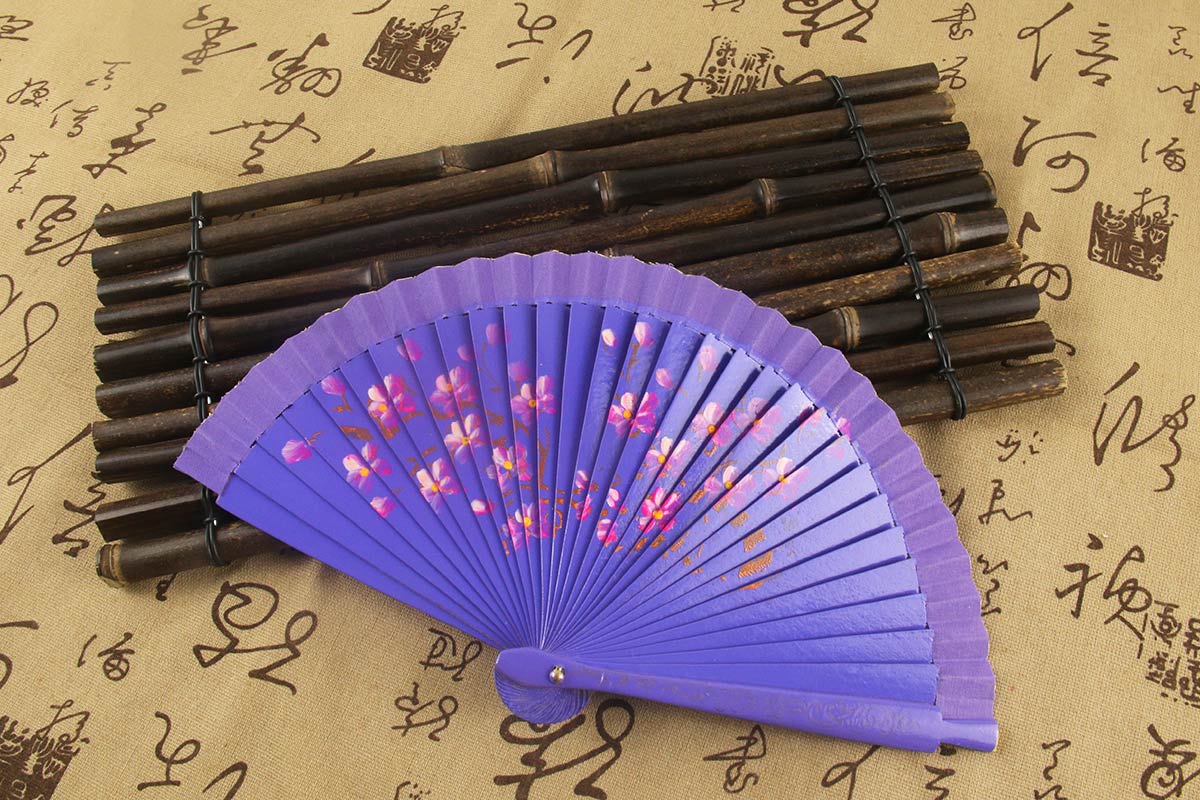
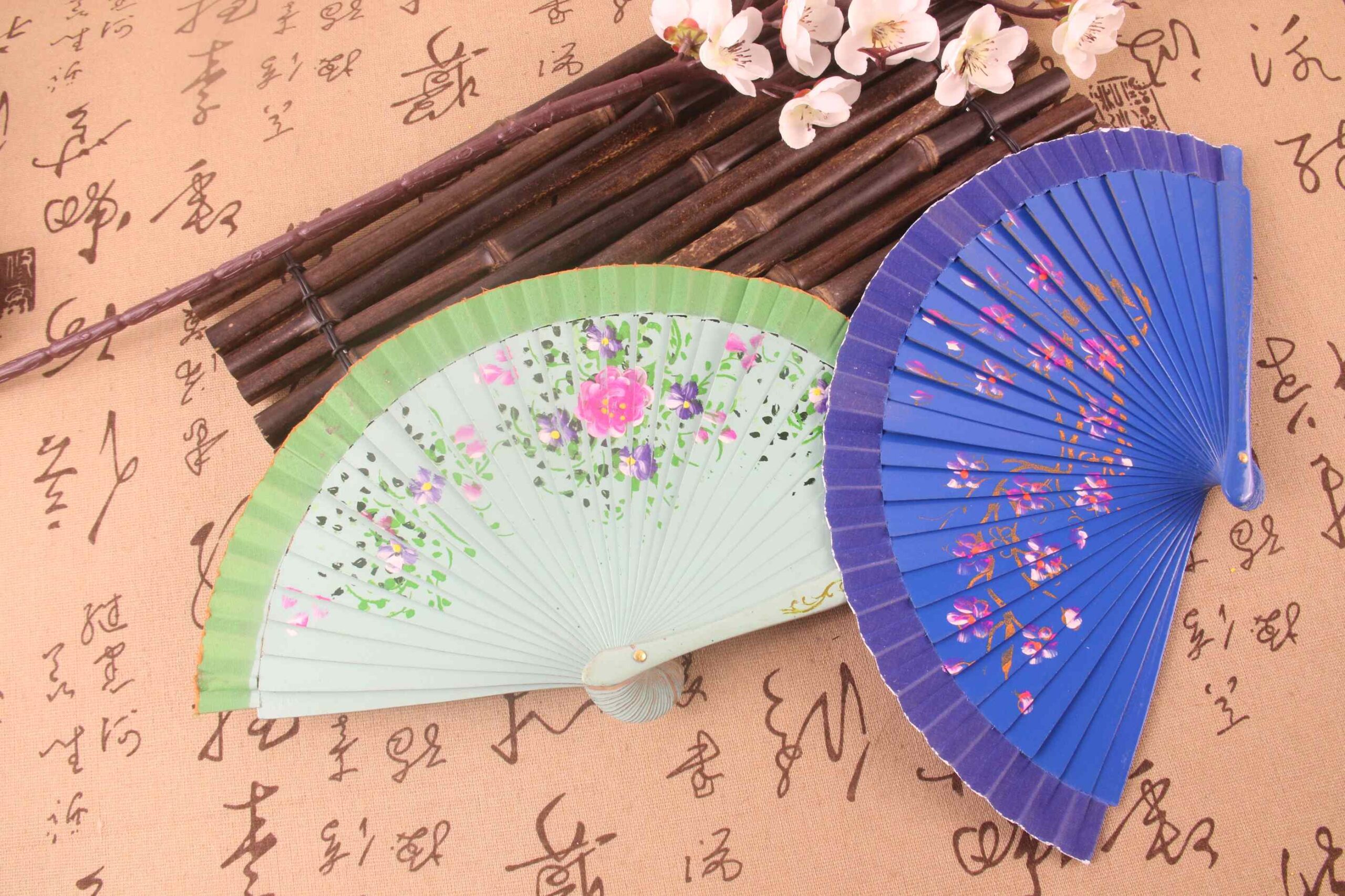
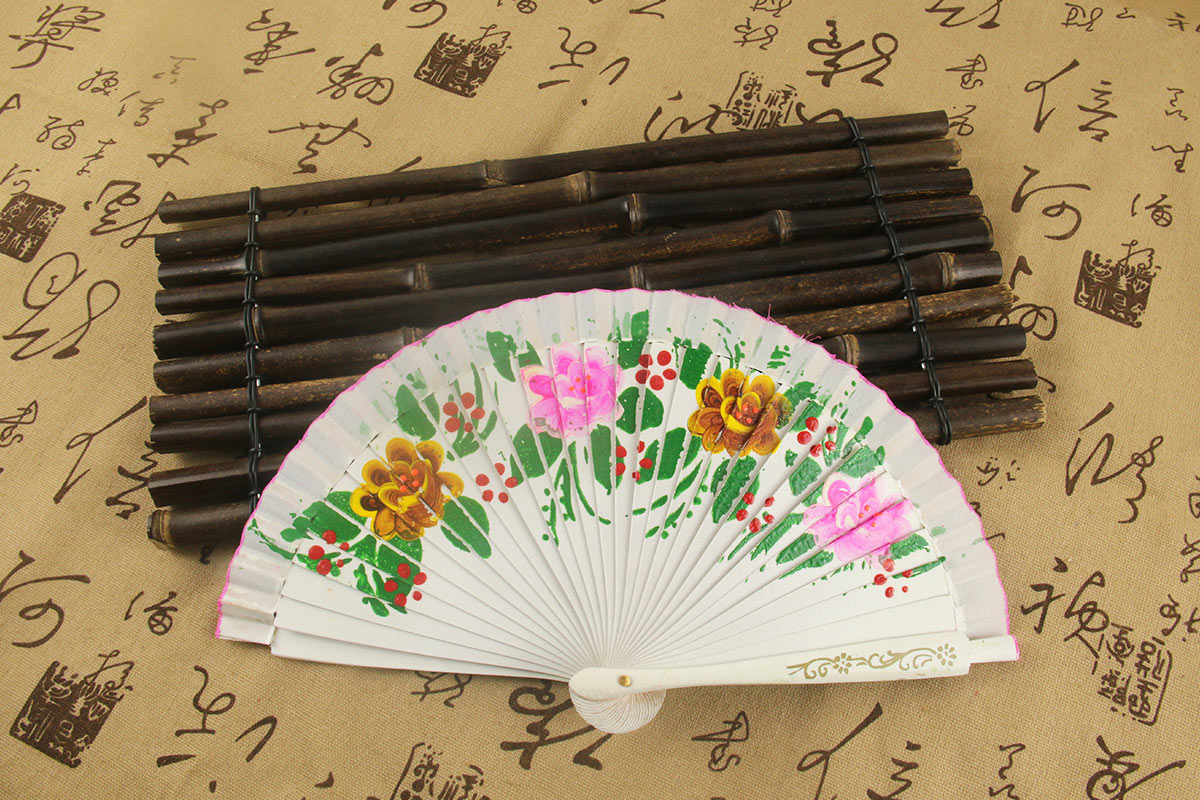
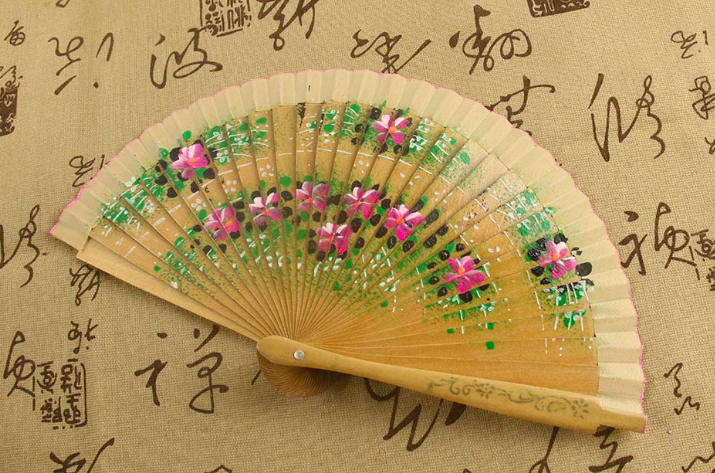
The wooden flamenco fan is the most common of the three.
- Made of thin wood or bamboo slats, the fans are light but very resilient, and ideally designed for rapid and easy movement.
- The fan itself is usually covered with a mesh of fabrics, typically embroidered with flowers, lace, or other Andalusian-design patterns.
- Simple but refined, the fans are very characteristic of the nature of the old traditional flamenco. They also appear very often in performance, especially when the artist is required to show off her skills at using the fan in coordination with the rhythm of the music.
Lace Fans
Lace fans are lighter and more delicate and are used in performances that highlight beauty and elegance. The wooden ribs of the fans typically have lace on them, augmented from time to time by trimmings such as beads or rhinestones.
Fans come into play in playing during more advanced flamenco performances, where the movements of the dancer are not as complex and are slower. The lace provides an extra touch of sophistication to the whole outfit, and thus, the fan is observed.
Decorative Fans
Some fans were for show and used less for function and more for display. These fans are usually larger and more decorative, with deep colors and velvet or silk material. Decorative fans are utilized primarily in flamenco theater performances or acts, where the fan becomes part of the costume, utilized to add visual ornamentation to the act.
Modern Flamenco Fans
Flamenco fans have also evolved in style and structure in the last two years. Flamenco fans today are made of man-made products such as plastic or acrylic, which are stronger and less prone to breaking than wood.
Modern styles are brighter, more fashionable, with cleaner edges and brighter, contrasting colors. Modern styles are meant for flamenco dancers but also for other people who require fashionable accessories every day.
The History of Flamenco Fans in Spanish Culture
Flamenco fans have evolved over the years with differences in style and function. While elegant lace and wood fans remain in fashion, other materials and designs also emerged to accommodate Spain’s active lifestyle and modern tastes in design.
Flamenco dancers today not only have a function to perform dances, but also in everyday life. The fan in Spain, especially in summer, is an everyday gadget with which to cool off from the heat.
Locals, especially Andalusians, whose sweltering heat makes them indispensable, carry fans along. Flamenco fans are thus not only designed for performance but also for everyday elegance.
Function and Design of Flamenco Fans in Modern Life
Modern designs for flamenco fans are anything but what they were in the past, when they initially started being used, with functionality becoming part of modern design. Craftshistory, among others, has chosen compatibility between modern designs and traditional craftsmanship in creating fashionable and higher-quality fans that are not only useful accessories but fashion items too.
Modern flamenco aficionados will also have striking, sophisticated designs with elements of both older and modern designs. They are crafted in slim, streamlined frames from durable materials such as earth-friendly bamboo or heavy-duty plastic. Satin, silk, or similar high-grade materials are used most commonly as fan material and add texture and depth to the product.
Flamenco Fans as Everyday Fashion
Today, the flamenco fans have moved beyond the realm of performance attire and are being used more and more as fashion wear.
- In each Spanish festival held throughout the year, whether it is Seville’s Feria de Abril, flamenco fans are typically paired with traditional flamenco dresses as a fashion-enhancing accessory to the attire.
- Flamenco fans are also creeping their way into street wear. Their light, delicate beauty makes them perfect for the addition of Spanish style to formal or informal wear.
- Today’s flamenco dancers use the fans more artistically, employing them in a choreographed dance in combination with steps of a traditional nature, but also with new, innovative movement.
As an ornament that it is, the fan has become an extension of the body of the dancer, something that fulfills the feeling of the dancer and something employed to augment the feeling of oneness between movement and music.
Conclusion
Flamenco enthusiasts are a classy and practical part of Spanish culture, bound up with flamenco music and dance culture.
Flamenco fans continue to evolve in both function and aesthetics, seamlessly blending old and new.
Craftshistory‘s fans demonstrate cultural charm and practical functions, meeting diverse needs and aesthetics. Visit our official website to view your favorite products.