
Introduction: When Farewell Spoke in the Language of a Folding Fan
In Chinese classical poetry and literati culture, the folding fan was far more than a utilitarian object—it became a powerful cultural symbol infused with emotion. In the context of farewell, the fan often held deep significance. It not only echoed the gestural act of parting, but also embodied the unspoken longing and reluctance that linger in moments of separation. From “gazing through tear-filled eyes while holding hands” to “lightly waving a fan to send off a traveler,” the folding fan evolved into a delicate emotional medium—a gesture of grace, a buffer against sorrow, and a vessel for hope. This essay explores the symbolic role of folding fans in parting scenes, as well as the emotional and aesthetic logic behind their enduring presence.
Why the Folding Fan Belongs to Farewell: The Merging of Gesture and Sentiment
In behavioral psychology, gestures often accompany parting rituals. As a handheld object, the folding fan lends itself naturally to ritualized movements of departure. Unlike an empty hand, the act of unfolding or waving a fan brings a visual rhythm and emotional softness to the moment. When a fan sways gently in the air, it almost seems to stretch time, slowing down the instant of farewell and providing a graceful pause before turning away.
In ancient etiquette, literati commonly gave fans as parting gifts, particularly in occasions such as a scholar embarking on a journey, a friend moving away, or someone leaving a guesthouse. “Presenting a fan” was considered a refined and heartfelt gesture, conveying both well wishes and emotional sincerity. The lightness and flexibility of the fan mirrored the tenderness and restraint of such emotions—not a clean break, but a soft transition.
Folding Fans in Farewell Poetry: The Making and Transmission of Literary Symbolism
In Chinese literary history, the link between fans and separation appears frequently in verse. Tang poet Bai Juyi, in his famous Grass on the Ancient Plain, evokes the cycle of life and parting: “Wild grasses spread across the plain, wither and bloom year by year.” Though the fan is not named, its light movement becomes a metaphor for the wind that carries farewells. Song poet Li Qingzhao, with her delicate feminine voice, writes, “Afraid of the sorrow of parting, so many things, left unsaid”—in many illustrated versions, a half-closed fan conceals her face, conveying shyness and sorrow.
Especially notable is the symbolic contrast between round fans and folding fans in women’s poetry: round fans signify wholeness, while folding fans, with their ability to open and close, represent both interrupted affection and the possibility of reunion. In Dream of the Red Chamber, when Daiyu gifts a fan to Baoyu, the gesture is often interpreted as a subtle expression of emotion and a foreshadowing of their eventual parting. Thus, folding fans appear not only as physical props but as deeply embedded literary motifs.
Folk Traditions and Farewell Rituals: The Fan as a Carrier of Sentiment
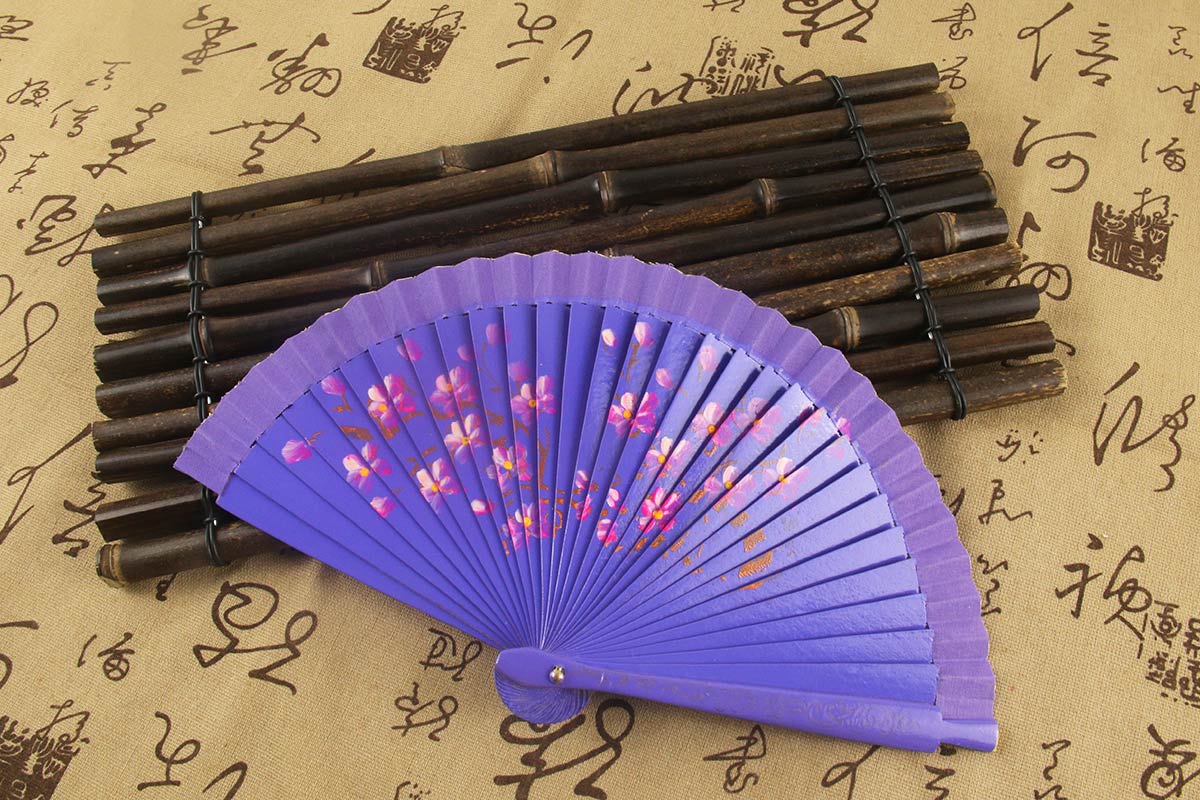
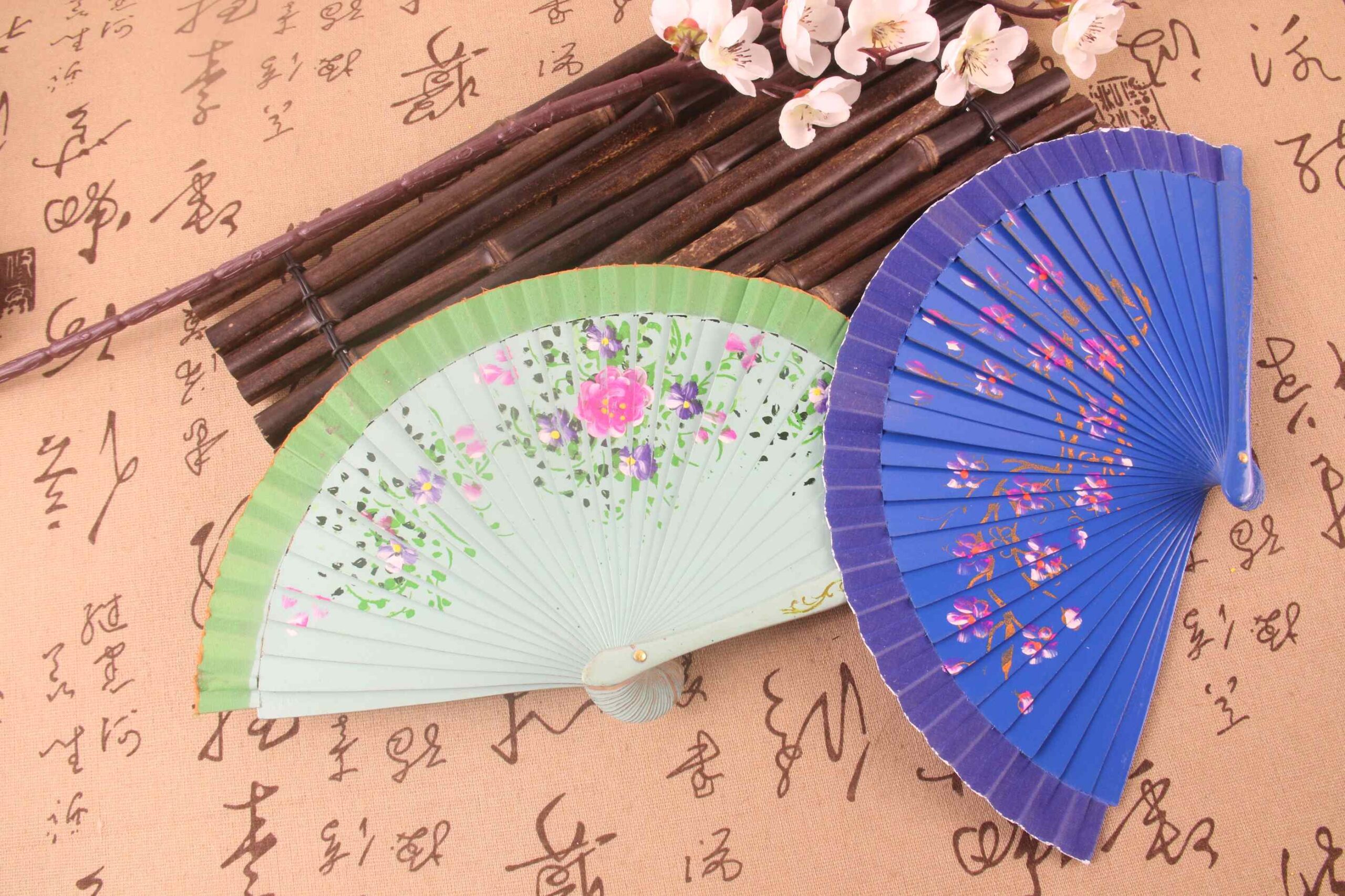
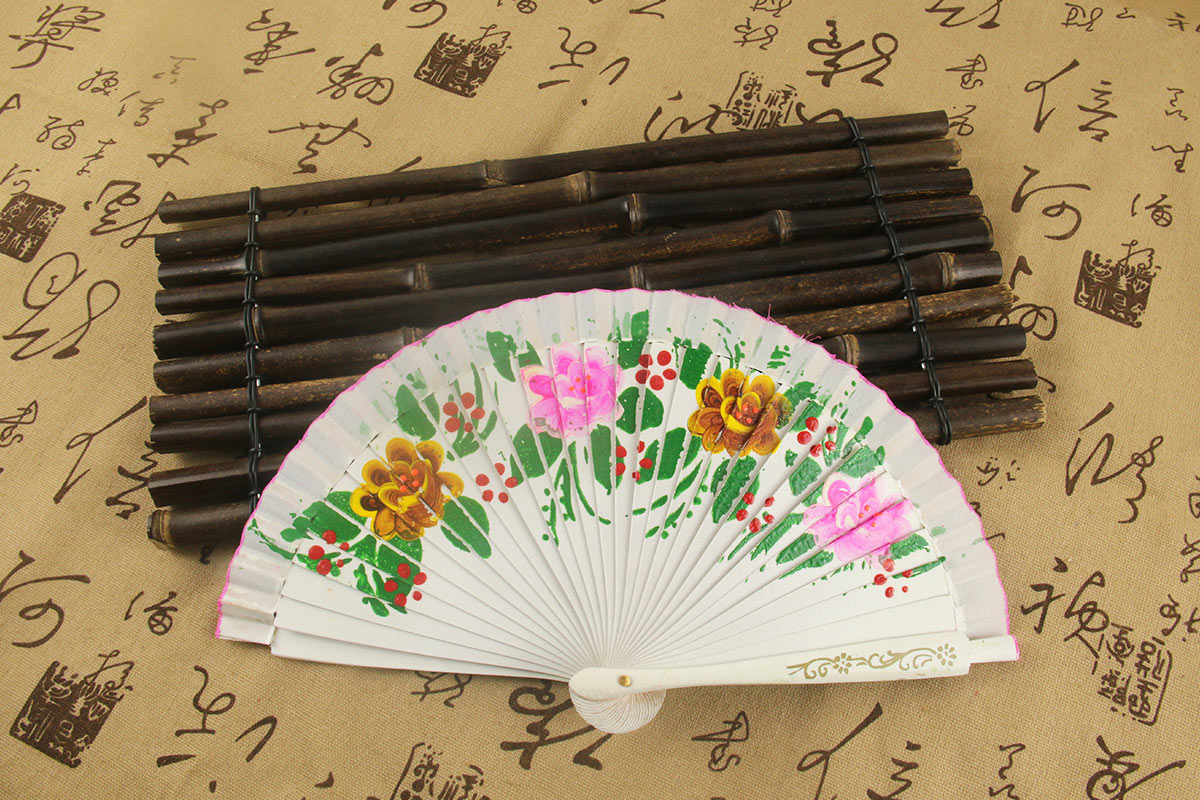
In traditional Chinese folk customs, giving a folding fan at parting carried ritual and emotional weight. For instance, in the Jiangnan region, young women would embroider or paint fans by hand as farewell tokens for loved ones. The fan might bear poems, paintings, or inscriptions, encapsulating the complexity of personal feelings. Such objects were small in form but immense in sentiment—a tangible expression of love and memory. If a mutual promise existed, it was known as a “fan bond” .
Similarly, in classical academies, when students graduated and departed, their teachers often presented fans inscribed with poetic phrases—signaling both intellectual independence and fond farewell. As the saying goes, “The folding fan is no mere object; its meaning lies in its sentiment.” Through the convergence of gift, emotion, and instruction, fans became one of the most elegant and emotionally charged symbols within China’s literati network.
Contemporary Interpretations and Craftshistory’s Cultural Revival
Today, though parting moments are often exchanged through messages and emails, the emotional symbolism of the folding fan is experiencing a subtle revival. At Craftshistory, we recognize the cultural weight of a single fan—especially its role in ritualized farewell.
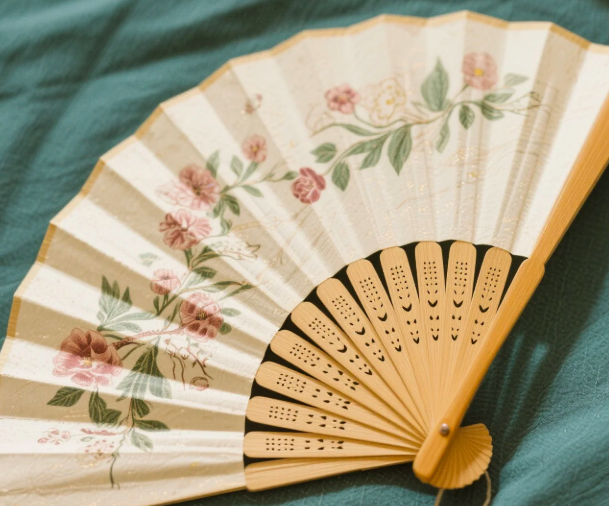
We design fan surfaces adorned with seasonal flowers, each imbued with unique floral meanings, turning each piece into a gentle memory preserved in design. Whether it’s sending off a colleague, bidding farewell to a friend, or marking a graduation, a durable, custom-made Craftshistory fan expresses sentiment with more permanence than a card and more depth than words. Using fine xuan paper and wooden spines, our fans are built not just to endure, but to carry emotion forward—one open and close at a time—ensuring that the warmth of tradition continues to resonate today.
Conclusion: A Folding Fan, A Graceful and Intimate Goodbye
In the pace of modern life, farewells are often overlooked or rushed. The folding fan reminds us that goodbyes don’t have to be abrupt or harsh—they can be an act of beauty, a gesture of care, a continuation of culture. Waving a fan to say farewell is gentle yet profound; giving a fan is simple yet deeply meaningful.
Craftshistory is committed to imbuing each meticulously crafted folding fan with warmth, elegance, and ceremonial dignity, so that every parting is not just an end, but a beautifully composed pause in the story of connection. In Eastern culture, even the smallest object may hold a love worth remembering.